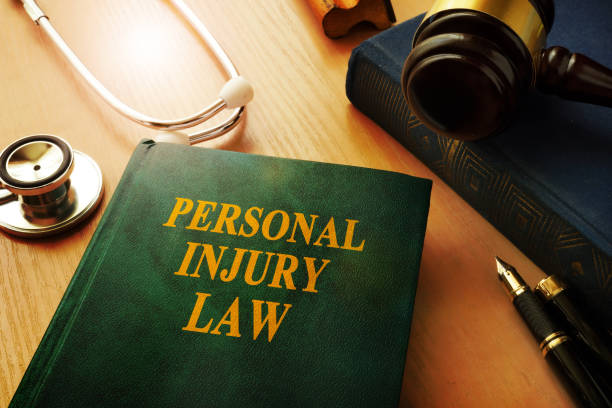
personal injury lawyer philadelphia

Car accidents are often overwhelming, both emotionally and legally. Managing the aftermath can be complex, especially when dealing with injuries, insurance companies, and legal claims. Hiring a personal injury lawyer ensures that your rights are protected and that you receive fair treatment throughout the process.

Navigating Legal Complexities

  • Evaluate the specific details of your case.
  • Determine applicable statutes or laws.
  • File necessary paperwork within deadlines.

This expertise is crucial for avoiding mistakes that could harm your claim.

Dealing With Insurance Companies

  • Communicate directly with insurance representatives.
  • Negotiate settlements on your behalf.
  • Counteract tactics used by insurers to undervalue claims.

Their involvement levels the playing field and ensures you are not taken advantage of during negotiations.

Assessing Damages Accurately

Type of Damage Examples
Medical expenses Hospital bills, rehabilitation costs
Lost wages Missed workdays due to recovery
Property damage Repair or replacement costs for vehicles
Pain and suffering Emotional distress or physical discomfort

Through this assessment, lawyers help ensure that all potential damages are accounted for in your claim.

Investigating Liability

  • Accident reconstruction experts.
  • Witness interviews.
  • Surveillance footage or police reports.

These resources provide critical evidence needed to strengthen your case.

Benefits of Hiring a Professional

  1. Reduced Stress: By handling communication and paperwork on your behalf, they allow you to focus on recovery.
  2. Higher Compensation: Studies show that individuals represented by attorneys tend to receive higher compensation compared to those who represent themselves.
  3. Expert Litigation Skills: If settlement negotiations fail, an attorney can take your case to court confidently.

When Should You Hire a Lawyer?

It’s advisable to consult a personal injury lawyer as soon as possible after an accident. Delays in seeking legal help can result in missed filing deadlines or lost evidence critical for building a strong case.

By hiring an experienced attorney early in the process, you protect both your legal rights and financial interests after a car accident while ensuring you receive guidance from someone who understands how best to advocate on your behalf.

Expert Guidance from a Philadelphia Personal Injury Lawyer for Navigating Vehicle Collision Insurance Claims

Dealing with insurance claims after a vehicle collision can be a daunting and complex process. While it might seem straightforward to file a claim, navigating the nuances of insurance policies, negotiating fair compensation, and ensuring your rights are protected often requires professional legal expertise. Here’s how working with an experienced lawyer like www.philadelphiapersonalinjurylawyer.org can help streamline the process and improve your chances of securing a fair outcome.

Navigating Insurance Claims with an Accident Lawyer Philadelphia, PA

  • Policy Ambiguities: Insurance policies often contain dense legal language that may be difficult to fully understand. Misinterpreting these terms could lead to undervalued claims or denials.
  • Low Settlement Offers: Insurance companies may prioritize minimizing payouts, leading them to offer settlements that do not adequately cover damages or injuries.
  • Disputes Over Liability: Determining fault is a critical part of any claim, but it’s not uncommon for insurers to dispute liability in order to avoid paying full compensation.
  • Delays in Processing: Without proper follow-up and documentation, some claims may experience unnecessary delays that prolong financial or emotional stress for the claimant.

How Legal Expertise Simplifies the Process

  1. Interpreting Policy Coverage
    A skilled attorney will carefully review your insurance policy to identify all potential sources of coverage. This ensures that you receive adequate compensation for medical expenses, property damage, lost wages, and other losses.
  2. Handling Communication with Insurers
    Attorneys serve as intermediaries between you and the insurance company, ensuring that all communication is handled professionally and effectively while protecting your rights throughout the process.
  3. Proving Liability Through Evidence
    Building a strong case often requires gathering evidence such as accident reports, witness statements, photographs from the scene, and expert opinions (if necessary). Lawyers have the resources to obtain this information efficiently.
  4. Negotiating Fair Compensation
    Experienced legal professionals are skilled negotiators who understand how much your claim is truly worth based on factors like medical bills, future expenses related to injuries, pain and suffering, and loss of earning capacity.
  5. Litigating When Necessary
    If an insurer refuses to offer a fair settlement or denies your claim improperly, your attorney can escalate the matter by filing a lawsuit on your behalf and representing you in court if necessary.

Why Early Legal Intervention Matters

Common Mistakes Without Legal Guidance How Legal Assistance Helps
Accepting an Initial Low Offer Negotiates higher settlements based on evidence
Missing Important Deadlines Monitors deadlines for filing claims or lawsuits
Providing Recorded Statements Protects you from saying something harmful inadvertently

Final Thoughts

Navigating an insurance claim after a vehicle collision can involve complex legal processes that even diligent individuals might find overwhelming without professional support. Partnering with a qualified lawyer ensures you have someone knowledgeable advocating for your best interests while reducing stress during what is often a challenging time. By leveraging their expertise, you stand a far better chance of achieving optimal results for both short-term needs and long-term recovery goals.

Expert Legal Guidance from a Personal Injury Law Firm in Philadelphia, PA to Build a Strong Car Accident Case

When involved in a car accident, building a strong injury case requires careful planning, thorough investigation, and sound legal expertise. A well-supported case can make the difference between receiving fair compensation for your losses or walking away with insufficient coverage. Partnering with a skilled personal injury lawyer ensures that you have the tools and knowledge needed to navigate this process effectively.

Key Steps to Strengthen Your Case

  1. Take photographs or videos of the accident scene, including vehicle damage, road conditions, traffic signs, and any visible injuries.
  2. Collect contact information from other drivers involved as well as any witnesses.
  3. Obtain medical care promptly even if injuries appear minor initially; some conditions manifest hours or days later.
  4. Request detailed medical reports that document injuries sustained due to the accident.
  5. Always report the incident to law enforcement.
  6. Acquire a copy of the police report to use as an official record in your case.
  7. Retain receipts for medical treatment, vehicle repairs, lost wages due to missed workdays, and other related expenses.
  8. Keep records of communication with insurance companies and other parties.

The Role of Legal Expertise in Your Case

  • Accident Reconstruction
    Attorneys often collaborate with accident reconstruction experts who can analyze evidence such as vehicle impact points or skid marks to determine fault accurately.
  • Negotiating with Insurance Companies
    Insurers may attempt to minimize payouts by questioning liability or undervaluing damages. A lawyer advocates on your behalf during these negotiations to ensure fair compensation.
  • Managing Deadlines
    Every jurisdiction enforces statutes of limitations—a strict timeframe within which you must file your claim. Missing these deadlines can result in forfeiture of your right to recover damages.

Types of Damages You Can Seek

Damage Type Examples
Economic Damages Medical bills, property damage repair costs, lost income
Non-Economic Damages Pain and suffering, emotional distress
Punitive Damages (If Applicable) Additional amounts intended to punish egregious negligence

Tips for Collaborating Effectively with Your Lawyer

To build a persuasive case more efficiently: – Be transparent about all details surrounding the accident. – Provide prompt responses when lawyers request additional information. – Follow their advice closely regarding legal strategy or settlement offers.

The collaboration between you and your attorney is crucial in constructing an evidence-based argument that highlights negligence on behalf of liable parties while fully reflecting the damages you’ve experienced due to their actions. By relying on professional guidance throughout this process, you increase your chances of achieving a favorable outcome tailored toward restoring both financial security and peace of mind after an accident occurs.

Maximizing Compensation in Vehicle Collision Cases by Partnering with an Experienced Lawyer

When involved in a vehicle collision, the physical, emotional, and financial toll can be overwhelming. One of the most critical factors in recovering from such an incident is ensuring that you receive fair compensation for your losses. Partnering with an experienced lawyer can significantly enhance your chances of maximizing the compensation you are entitled to. Below, we explore how a skilled attorney can make a difference in your case.

Comprehensive Case Evaluation

  • Assessing Damages:
    Reviewing the extent of property damage, medical expenses, lost wages, and non-economic damages such as pain and suffering.
  • Evidence Collection:
    Compiling police reports, medical records, witness statements, and any available video or photo evidence to build a strong foundation for the claim.
  • Identifying Applicable Laws:
    An understanding of local traffic laws and liability statutes ensures that all legal avenues are explored.

This systematic approach ensures no detail is overlooked, strengthening your claim from the start.

Negotiating with Insurance Companies

  • Handling Communication: Acting as your representative in all dealings with insurance adjusters to prevent misstatements being used against you.
  • Determining Policy Limits: Identifying all sources of coverage available under relevant policies (e.g., the at-fault driver’s insurance or underinsured motorist coverage).
  • Counteracting Low Offers: Using evidence-based arguments to challenge unfairly low settlement offers and push for higher compensation amounts.

A qualified attorney understands how to leverage evidence and negotiate effectively to protect their client’s financial interests.

Calculating Full Compensation

Type of Damage Examples
Economic Damages Medical bills, lost wages, rehabilitation costs
Non-Economic Damages Pain and suffering, emotional distress
Future Costs Long-term care needs or future loss of earnings

By considering both current and future costs associated with injuries sustained during the accident, lawyers ensure victims secure a settlement or judgment that reflects their total losses.

Litigating When Necessary

  1. Filing lawsuits within applicable statutes of limitations.
  2. Engaging in pre-trial discovery processes like depositions and document requests.
  3. Representing clients during mediation or arbitration sessions.
  4. Advocating aggressively during court proceedings if no agreement is reached prior to trial.

Having knowledgeable legal representation increases your ability to withstand opposition efforts aimed at reducing compensation.

Benefits of Partnering with Legal Expertise

  • Strategic handling of complex legal procedures.
  • Accessing networks (e.g., expert witnesses) that strengthen claims.
  • Reducing stress by managing time-consuming negotiations on your behalf.

Securing fair compensation requires more than filing paperwork; it involves tactical decisions informed by expertise only seasoned attorneys possess.

Understanding the Legal Support Available for Victims of Nursing Home Neglect and Abuse

When families entrust a loved one to a nursing home, they expect compassionate care, safety, and dignity. Unfortunately, neglect and abuse in nursing homes remain prevalent concerns, leaving families devastated and victims vulnerable. Legal representation plays a critical role in ensuring justice for victims of nursing home neglect and abuse. This article explores the legal support available to victims and their families.

Recognizing Signs of Nursing Home Neglect or Abuse

  • Unexplained injuries such as bruises or fractures
  • Bedsores or pressure ulcers that are left untreated
  • Sudden weight loss due to malnutrition or dehydration
  • Withdrawal from social interactions
  • Emotional distress including anxiety or depression
  • Fearful behavior around specific staff members
  • Unsanitary living conditions such as dirty bedding or bathrooms
  • Overcrowding or understaffing issues at the facility

Families must remain vigilant and document these signs, as they may serve as evidence in legal proceedings.

Types of Legal Claims in Nursing Home Abuse Cases

Claim Type Description
Negligence Claims Filed when staff fails to provide reasonable care, leading to injuries like falls or bedsores.
Medical Malpractice Claims Pursued when improper medical care results in harm (e.g., misdiagnosis, medication errors).
Intentional Abuse Claims Filed when there is evidence of physical assault, emotional abuse, or other deliberate acts.

Benefits of Hiring an Experienced Lawyer

  1. Thorough Investigation: Lawyers can gather critical evidence such as medical records, witness statements, and facility inspection reports.
  2. Legal Knowledge: Attorneys understand state-specific eldercare laws and regulations that may apply.
  3. Advocacy for Compensation: Experienced lawyers fight for damages covering medical costs, pain and suffering, relocation expenses, etc.
  4. Accountability Measures: Legal action holds negligent facilities accountable while potentially preventing future harm to others.

Steps Involved in Pursuing Justice

  1. Document all evidence of suspected abuse—photos, notes on observed injuries, etc.
  2. Report the issue to local adult protective services (APS) agencies.
  3. File complaints with state licensing agencies responsible for overseeing nursing homes.
  4. Initiate legal proceedings by filing claims with the help of an attorney.

Final Thoughts on Seeking Justice

Legal representation empowers families who feel unheard in cases involving eldercare abuse or neglect. By working with skilled attorneys specializing in this field, victims gain not only a voice but also an opportunity to seek compensation and accountability on behalf of their loved ones.

How Legal Representation Can Help Families Seek Justice in Wrongful Death Cases

Losing a loved one due to the negligence or misconduct of another party can be devastating. Families often face immense emotional and financial burdens in the aftermath of a wrongful death. Seeking justice through legal representation not only provides accountability but can also help alleviate some of these burdens. Below is an exploration of how lawyers assist families in wrongful death cases.

Clarity on Legal Rights and Options

A wrongful death lawyer ensures families understand their legal rights and options under the law. Key aspects include:
Eligibility to file a claim: Laws vary by jurisdiction, but typically immediate family members, such as spouses, children, or parents, have the standing to file.
Statute of limitations: Each state enforces strict deadlines for filing wrongful death claims. An attorney ensures critical deadlines are met.

Investigating and Building a Strong Case

One of the most crucial roles an attorney plays is conducting an independent investigation into the circumstances surrounding the death. Attorneys work to build a compelling case by:
– Gathering evidence such as accident reports, medical records, and witness statements.
– Consulting with experts like forensic specialists or accident reconstructionists to establish causation and liability.
– Analyzing insurance policies and corporate documents where larger entities are involved (e.g., in product liability claims).

The goal is to create an irrefutable narrative that clearly demonstrates negligence or misconduct.

Calculating Fair Compensation

Economic Damages Non-Economic Damages
Medical bills prior to death Pain and suffering endured by survivors
Loss of future income Loss of companionship
Funeral expenses Emotional distress

Lawyers may also factor in punitive damages if gross negligence or intentional misconduct played a role in the incident.

Negotiating Settlements or Litigating in Court

Most wrongful death claims are resolved through settlements rather than going to trial; however, having skilled legal representation strengthens your position whether negotiating or litigating. Attorneys can:
– Negotiate effectively with insurance companies or opposing counsel for fair compensation while protecting your interests.
– Represent you in court if negotiations fail, presenting evidence persuasively before a judge and jury.

Emotional Support During Difficult Times

Legal professionals provide much-needed guidance during one of the most challenging periods for families. By handling complex legal processes on behalf of their clients, attorneys allow grieving families time to focus on healing while ensuring justice is pursued.

Seeking justice through legal means after losing someone due to negligence honors their memory while providing financial stability for surviving family members. Partnering with an experienced lawyer ensures that you not only have expert advocacy but also peace of mind during this difficult journey toward resolution.


personal injury claimant personal injury medical assessment accident lawyer stock pictures, royalty-free photos & images

Hiring a personal injury lawyer after a car accident can have a profound impact on the outcome of your case. Navigating the legal system and insurance claims process on your own can be overwhelming, especially while recovering from injuries. Below are five critical reasons why seeking professional legal representation is essential.

1. Expertise in Personal Injury Law

  • Legal Knowledge: They are well-versed in federal and state laws governing personal injury claims.
  • Case Evaluation: A lawyer can accurately assess the value of your claim by considering medical expenses, lost wages, pain and suffering, and future damages.
  • Negotiation Skills: They negotiate directly with insurance companies to ensure you receive fair compensation.

2. Protection Against Insurance Tactics

  • Offering lowball settlements.
  • Pressuring victims into accepting compensation too quickly.
  • Misrepresenting policy details or liabilities.

A skilled attorney ensures you are not taken advantage of during this critical time.

3. Accurate Documentation and Evidence Collection

  • Reviewing police reports and medical records.
  • Consulting with experts like accident reconstruction specialists or medical professionals.
  • Collecting witness statements to support your version of events.

Compiling all relevant evidence strengthens your case against negligent parties or insurers.

4. Contingency Fee Arrangements

Benefit Explanation
No Upfront Costs You only pay if the lawyer successfully secures compensation for you.
Financial Accessibility Victims from any financial background can access high-quality legal services.

This arrangement reduces financial stress while allowing you to focus on recovery.

5. Maximizing Compensation Potential

  1. Medical bills (current and future).
  2. Lost wages due to missed work.
  3. Pain and suffering.
  4. Emotional distress or mental anguish caused by the accident.
  5. Punitive Damages (if applicable): Additional compensation aimed at punishing egregious negligence by the responsible party.

This comprehensive approach ensures no aspect of compensation is overlooked.

Having an experienced personal injury lawyer by your side helps level the playing field against powerful insurance companies while simplifying complex legal processes so you can focus on healing effectively.

Finding the Right Personal Injury Law Firm Philadelphia, PA Can Make All the Difference

When dealing with legal matters, particularly in personal injury or insurance claims, hiring the right attorney can have a profound impact on the outcome of your case. From navigating complex legal frameworks to negotiating with insurance companies, an experienced lawyer is often the key to ensuring that you receive fair compensation. Below, we outline why choosing the right attorney is crucial and how they influence the trajectory of your case.

Expertise in Legal Procedures

  • Timely Filing of Documents: A missed deadline can result in a denied claim. Attorneys are well-versed in statutory deadlines and procedural requirements.
  • Understanding Legal Jargon: Legal paperwork is often filled with terms and clauses that require interpretation. An experienced lawyer ensures clarity and avoids missteps.
  • Compliance with Local Laws: Personal injury laws vary by jurisdiction. The right attorney understands state-specific statutes and ensures your case aligns with these regulations.

Effective Negotiation With Insurance Companies

  • Presenting strong evidence to support your claim.
  • Calculating an accurate estimate of damages, including medical bills, lost wages, pain, and suffering.
  • Handling communication professionally and avoiding statements that could harm your case.
  • Negotiating from a position of strength, leveraging their knowledge of similar cases.

Maximizing Financial Compensation

Type of Damage Example Costs Covered
Medical Expenses Hospital stays, surgeries, medications
Lost Wages Time away from work due to injuries
Pain & Suffering Emotional distress
Future Financial Losses Impact on long-term earning capacity

By thoroughly documenting damages and building a compelling case that reflects both current and future expenses, attorneys ensure you are not left financially strained.

Support During Emotional Stress

  1. Taking over time-consuming tasks such as research, filing documents, and court appearances.
  2. Providing clear guidance on what steps need to be taken next.
  3. Offering objective advice during emotionally charged situations so you can make informed decisions.

Avoiding Critical Mistakes

  • Accepting lowball settlement offers without realizing their worth.
  • Making recorded statements to insurance adjusters without understanding legal implications.
  • Underestimating long-term expenses related to injuries.

The right lawyer acts as a safeguard against these costly errors.

Choosing the right attorney could be the differentiating factor between walking away empty-handed versus receiving just compensation for your losses. By leveraging their expertise in law, negotiation skills, emotional support, and attention to detail throughout every stage of litigation or settlement processes – attorneys play a vital role in protecting your rights effectively while giving you peace of mind during challenging times.

How a Personal Injury Attorney Philadelphia, PA Can Assist Domestic Violence Victims

Domestic violence is a pervasive issue that affects individuals across all demographics. Recognizing its signs and understanding how legal professionals can assist victims are critical steps in addressing this societal problem. A lawyer’s role in these situations often extends beyond legal advice, providing victims with guidance, resources, and protection.

Common Signs of Domestic Violence

  • Physical Abuse: Unexplained injuries such as bruises, cuts, or broken bones.
  • Emotional Manipulation: Constant criticism, humiliation, or efforts to lower a person’s self-esteem.
  • Isolation: Preventing contact with family and friends or restricting access to social activities.
  • Financial Control: Restricting access to bank accounts or requiring justification for every expense.
  • Threats and Intimidation: Verbal threats of harm to the victim or their loved ones.
  • Coercive Behavior: Forcing unwanted actions through manipulation or threats.

How Lawyers Can Assist Victims of Domestic Violence

Engaging a lawyer is often a crucial step for victims seeking protection and justice. Attorneys specializing in domestic violence cases offer numerous services aimed at ensuring the safety and legal rights of victims are upheld.

  1. Lawyers can help file restraining orders against abusers.
  2. They ensure proper documentation is submitted to courts for expedited processing.
  3. Protective orders may prevent abusers from making any form of contact with the victim.
  4. Assistance with divorce proceedings if the abuser is a spouse.
  5. Negotiation of child custody arrangements to protect children from harmful environments.
  6. Guidance on securing spousal support or division of property where applicable.
  7. Filing charges against the perpetrator for acts of domestic violence.
  8. Representing victims during court hearings related to criminal accusations.
  9. Connecting victims with local shelters, counseling services, or support groups.
  10. Advising on financial assistance programs for survivors aiming to regain independence.

The Role of Documentation

Type of Evidence Purpose Examples
Medical Records Demonstrates physical injuries sustained due to abuse Doctor’s notes, hospital records
Photos/Videos Visual proof of injuries or damage caused by the abuser Images showing bruises
Communication Evidence Highlights threatening behavior via written words Emails, text messages
Witness Statements Confirms incidents through third-party observations Testimonies from neighbors/friends

Lawyers use this evidence strategically to strengthen cases against perpetrators while advocating for justice on behalf of their clients.

Empowering Victims Through Legal Processes

A knowledgeable attorney not only represents but empowers survivors by helping them understand their rights under the law. From explaining available legal remedies to ensuring confidentiality throughout proceedings, lawyers play an essential role in restoring safety and dignity after instances of domestic violence.

By recognizing warning signs early and seeking professional help promptly, victims can begin their journey toward recovery with sound legal guidance tailored to their unique circumstances.

Young Male Driver Seeks Legal Aid After Car Injury Young Male Driver Seeks Legal Aid After Car Injury Whiplash. accident lawyer stock pictures, royalty-free photos & images

How to Find the Time to Choose the Perfect Accident Lawyer Philadelphia, PA for Your Legal Needs

Finding the right lawyer for your specific legal needs can feel overwhelming, especially when balancing a hectic schedule. However, investing time in this process is crucial as it can significantly impact the outcome of your case. Below are practical strategies and tips to help you efficiently identify and select the perfect lawyer without sacrificing too much of your valuable time.

1. Define Your Legal Needs

  • Family Law: Divorce, child custody, or adoption cases.
  • Personal Injury Law: Accidents, medical malpractice, or product liability.
  • Criminal Defense: Representation against criminal charges.
  • Corporate Law: Business formation or contract disputes.
  • Estate Planning: Wills and trusts.

Knowing what you need will help narrow your search and save time by avoiding lawyers who don’t specialize in your area of concern.

2. Utilize Online Resources

  • Visit Bar Association Websites
    Most state bar associations offer directories where you can search for licensed attorneys by specialization and location.
  • Explore Review Platforms
    Websites like Avvo or Martindale-Hubbell provide peer reviews and client feedback to help you evaluate lawyers based on past performance.
  • Check Social Media and Professional Profiles
    Lawyers often maintain LinkedIn profiles or personal websites showcasing their expertise, professional affiliations, and achievements.

3. Prioritize Referrals and Recommendations

Personal recommendations from trusted friends, family members, or colleagues can expedite your search process. Ask them about their experiences with specific attorneys—how they communicated, handled their case, and achieved results.

4. Schedule Initial Consultations Efficiently

  • Prepare a concise summary of your legal issue to maximize discussion time.
  • What experience do you have handling cases like mine?
  • What is your fee structure?
  • How do you communicate with clients throughout the process?

Use these consultations to gauge the attorney’s competence and communication style.

Table: Key Questions for Prospective Attorneys

Question Why It’s Important
Have you handled similar cases? Ensures their expertise aligns with your needs.
What fees should I expect? Helps determine if their services fit within your budget.
How will we communicate? Clarifies expectations around availability and updates.

5. Assess Time Management Strategies

  1. Dedicate specific blocks of time during less busy periods (e.g., weekends or evenings).
  2. Delegate other responsibilities temporarily so you can focus on this important task.
  3. Use digital tools like calendar apps to stay organized during consultations.

6. Compare Options Before Deciding

  • Evaluate their credentials side-by-side.
  • Consider both cost-effectiveness and compatibility with your goals.
  • Look at client testimonials for additional insights into their reputation.

By using these strategies effectively, busy individuals can make informed decisions without feeling overwhelmed by the process—ensuring they choose a lawyer who best meets their needs while respecting their time constraints.

Critical Reasons to Hire a Personal Injury Lawyer After a Car Accident

Navigating the aftermath of a car accident can be overwhelming, especially if injuries or financial losses are involved. Hiring a personal injury lawyer can provide critical support during this challenging time. Below are some of the most important reasons to consider seeking legal representation following a car accident.

1. Expertise in Navigating Legal Complexities

  • Comprehensive Knowledge: They possess detailed knowledge of state and federal laws surrounding personal injury claims.
  • Experience with Similar Cases: Attorneys can draw from past cases to anticipate challenges and develop strategies for success.
  • Paperwork Management: Lawyers handle the time-consuming process of preparing, filing, and managing legal documents accurately and efficiently.

2. Accurate Assessment of Your Claim’s Value

Factor Example
Medical Expenses Hospital bills, rehabilitation costs
Lost Wages Earnings lost due to inability to work
Pain and Suffering Emotional or physical distress
Property Damage Vehicle repair or replacement

Without proper valuation, you risk settling for an amount far below what you deserve.

3. Negotiation with Insurance Companies

  • Aggressive Advocacy: Ensuring your interests are defended in front of insurers who may attempt to deny or undervalue your claim.
  • Understanding Insurance Tactics: Lawyers are familiar with common strategies used by insurance adjusters.
  • Maximized Settlements: Lawyers negotiate on your behalf, ensuring all damages are accounted for in any settlement offer.

4. Proving Liability and Gathering Evidence

  • Police reports
  • Witness statements
  • Photos/videos from the scene
  • Reconstructing Accidents: Collaborating with experts such as accident reconstruction specialists.
  • Demonstrating how another party’s actions caused harm.

Their expertise increases your chances of success.

5. Representation in Court When Necessary

  • Presenting evidence persuasively before judges/juries.
  • Cross-examining witnesses effectively.
  • Developing a trial strategy tailored specifically for your case.

Final Thoughts on Legal Representation

Hiring a personal injury lawyer ensures that you have someone protecting your rights while navigating complex legal systems on your behalf. From understanding intricate laws to negotiating fair settlements, attorneys play an indispensable role in helping clients achieve justice after car accidents.


Personal injury law book on a table. Personal injury law book on a table. accident lawyer stock pictures, royalty-free photos & images

A personal injury attorney plays a significant role in advocating for individuals who have been injured due to the negligence or wrongful actions of others. These legal professionals are dedicated to ensuring their clients receive the compensation they deserve while navigating the often-complex legal framework surrounding personal injury claims. Below, we’ll break down what a personal injury attorney does and what you should anticipate when hiring one.

Roles and Responsibilities of a Personal Injury Attorney

  1. Assess the details of your injury claim to determine its validity.
  2. Provide an honest appraisal of your chances for recovery, including the potential value of damages.
  3. Gather critical evidence such as accident reports, medical records, witness statements, photos, and video footage.
  4. Collaborate with accident reconstruction experts or medical professionals when necessary to strengthen your case.
  5. Handle all communications with insurance adjusters to prevent you from being taken advantage of.
  6. Leverage their expertise in negotiation to pursue fair compensation for medical bills, lost wages, property damage, and pain and suffering.
  7. If settlement efforts fail, prepare your case for court.
  8. Represent you in trial by presenting evidence, cross-examining witnesses, and delivering persuasive arguments.

What You Should Expect When Hiring a Personal Injury Attorney

When hiring an attorney for your case, it is essential to understand what steps they will take on your behalf and how the process works.

  • Initial Consultation: Most personal injury attorneys offer free consultations where they will listen to your account of events and provide a preliminary evaluation of your case.
  • Contingency Fee ArrangementFees typically range from 25%–40% of recovered compensation.
  • Clear Communication: A quality attorney will keep you informed about updates in your case while answering any questions you may have throughout the process.
  • Building Trust: Your lawyer should demonstrate professionalism and empathy while advocating zealously on your behalf.

Key Questions to Ask Before Hiring

  • How many similar cases have you handled? What were the outcomes?
  • Will I be working directly with you or another team member?
  • Can I speak with past clients about their experience working with you?
  • How long do you anticipate my case will take?
  • What is my role during settlement negotiations or litigation?

Benefits of Hiring an Experienced Attorney

Hiring an experienced personal injury attorney can significantly improve outcomes in your case.

Benefit Explanation
Expertise in State Laws Attorneys understand local laws that impact liability claims.
Higher Settlement Potential Studies show that clients represented by attorneys recover higher awards.
Time Savings Your lawyer handles paperwork and deadlines so that you can focus on recovery.
Emotional Support Legal guidance reduces stress during a challenging time in life.

Understanding these aspects can help set realistic expectations when working with an attorney while empowering you throughout the process.

Strengthening Your Case with a Philadelphia Personal Injury Lawyer’s Expertise

When pursuing a personal injury case, proving fault and managing insurance tactics are critical steps in securing a favorable outcome. Understanding these aspects in detail can significantly improve your chances of receiving the compensation you deserve.

How a Personal Injury Attorney Philadelphia, PA Can Help Prove Fault in Your Case

Establishing fault involves demonstrating that the other party’s negligence caused your injuries. This process typically requires collecting and presenting compelling evidence.

  • Duty of Care: Show that the defendant had a legal responsibility to act with reasonable care under the circumstances. For example, drivers owe others on the road a duty to drive responsibly.
  • Breach of Duty: Demonstrate that the defendant violated their duty of care through negligent or reckless actions. Examples include running a red light, failing to maintain safe premises, or defective product manufacturing.
  • Causation: Provide evidence linking the breach of duty directly to your injuries. You must prove that the harm would not have occurred but for the defendant’s actions or inactions.
  • Damages: Document measurable losses resulting from the injury, such as medical expenses, lost wages, property damage, or emotional distress.

Common Types of Evidence Used by an Accident Lawyer Philadelphia, PA

Gathering evidence is essential when building your case.

Type of Evidence Description
Witness Testimony Statements from individuals who saw the accident or incident occur.
Photographs/Videos Visual documentation showing injuries, property damage, or hazardous conditions at the scene.
Police Reports Official documentation detailing events surrounding an accident or injury.
Medical Records Documentation from healthcare providers detailing treatment and diagnoses related to your injury.
Expert Opinions Testimony from specialists like accident reconstruction experts or medical professionals about technical aspects of your case.

Handling Insurance Tactics

Insurance companies often employ strategies aimed at minimizing payouts. Being prepared for these tactics can help protect your interests.

Common Strategies by Insurance Companies:

  1. Lowball Settlement Offers: Insurers may offer a settlement far below what you deserve in hopes you will accept quickly.
  2. Disputing Liability: They might argue their policyholder was not at fault or suggest shared liability.
  3. Delaying Claims Processing: Prolonging claims investigations may pressure you into accepting less compensation due to financial strain.
  4. Misinterpreting Policy Terms: Altering coverage interpretations to limit their payout obligations.

How an Attorney Can Help Counter These Tactics:

  • Communicating with insurers directly on your behalf.
  • Negotiating for fair compensation based on accurate valuation of damages.
  • Advising against quick settlement offers that undervalue long-term needs like future medical expenses.
  • Gathering additional evidence when liability is contested.

Steps You Can Take

To strengthen your case further: – Seek immediate medical attention after an injury—even minor symptoms can worsen over time. – Avoid making recorded statements without legal advice as they may be used against you later. – Keep detailed records of all expenses and losses related to your incident.

By focusing on proving fault and counteracting insurance tactics effectively, you’ll be better positioned for success in your personal injury claim while protecting yourself against potential pitfalls along the way.

The Importance of Building Evidence Early Before It Disappears in a Personal Injury Case

In personal injury cases, evidence plays a critical role in determining the outcome of your claim. Building and preserving evidence as early as possible is essential because physical evidence, documentation, and witness accounts can degrade, become unavailable, or lose credibility over time. Acting promptly ensures that you have a solid foundation for your case and helps to counter any tactics aimed at discrediting your claims.

Why Early Evidence Collection Matters

  1. Preservation of Physical Evidence
    Physical evidence such as damaged property, skid marks from an accident scene, or medical devices used during treatment may be key to proving fault or demonstrating the severity of an injury.
  2. Weather conditions may erode tire tracks.
  3. Vehicles involved in accidents may be repaired or scrapped.
  4. Surveillance footage from nearby locations may be deleted or overwritten.
  5. Credibility of Witness Testimony
    Witnesses are more likely to recall events clearly and accurately immediately after the incident.
  6. Memories can fade.
  7. Witnesses may relocate and become harder to contact.
  8. Details crucial to corroborating your account may be unintentionally forgotten.
  9. Timeliness for Legal Procedures
    Some types of evidence (e. g. , insurance claims documents or employer records) require subpoenaing or formal requests. Collecting these early allows adequate time for processing while ensuring adherence to filing deadlines.

Types of Critical Evidence to Gather Early

Type of Evidence Examples Why It Matters
Physical Evidence Damaged vehicles, torn clothing, broken objects Demonstrates the mechanics and severity of the incident
Medical Records Emergency room reports, X-rays, medical bills Establishes injuries sustained and treatment costs
Photographs/Videos Accident scene photos, surveillance footage Provides visual proof of conditions at the time
Eyewitness Statements Testimonies from bystanders and first responders Offers third-party validation of events
Police Reports Official accident/incident reports Often considered objective and reliable documentation

Steps to Build Evidence Effectively

  1. Document Everything Immediately
    Utilize your smartphone or any recording device to capture images or videos at the accident scene. Take detailed notes describing what happened while it is fresh in your mind.
  2. Record names and contact details of witnesses.
  3. Save any correspondence with insurance companies.
  4. Seek Medical Attention Promptly
    Even if injuries seem minor initially, visit a healthcare provider immediately after the incident:

    • Medical records serve as formal documentation linking injuries directly to the event.
    • Delayed treatment could weaken claims that injuries were caused by the accident.
  5. Engage Professionals Early
    Hire an experienced personal injury attorney who understands how to gather admissible evidence quickly:

    • Attorneys can work with accident reconstruction experts if needed.
    • They can issue subpoenas for records before they are destroyed.
  6. Secure Surveillance Footage Proactively
    If an accident occurred near businesses with security cameras or intersections with traffic cameras:

    • Request copies immediately since many systems overwrite recordings within days.
  7. Avoid Tampering With Evidence
    Avoid altering physical items related to your claim (e. g. , repairing vehicles too soon) without consulting legal counsel first.

Risks of Delaying Evidence Collection

  • Key pieces of proof may no longer be available when needed.
  • Opposing parties might argue that delays imply inconsistencies in your account.
  • A weaker body of evidence could reduce potential settlement values during negotiations.

Early action is essential for building a compelling case that maximizes compensation opportunities while minimizing disputes over credibility or liability. Always consult with legal professionals who understand how time-sensitive evidence collection impacts personal injury claims effectively.

Insurance for court claims in the courtroom Gavels and small toy car models Two cars on the table in the court Lawyer service concept trial Close-up pictures Insurance for court claims in the courtroom Gavels and small toy car models Two cars on the table in the court Lawyer service concept trial Close-up pictures accident lawyer stock pictures, royalty-free photos & images

Mistakes That Can Reduce Your Settlement After an Accident or Injury

When pursuing a personal injury claim, even seemingly minor mistakes can significantly impact the settlement amount you may receive. Being aware of these pitfalls and taking proactive steps to avoid them can make a substantial difference in the outcome of your case. Below are some common errors that could potentially reduce your settlement.

Delaying Medical Treatment

Prompt medical attention is critical after an accident or injury, not only for your health but also for your case. Failing to seek immediate care can create doubt about the severity of your injuries. Insurance companies may argue that a delay in treatment implies that your injuries were minor or unrelated to the incident.

How to Avoid:– Visit a healthcare provider immediately after the accident, even if you don’t feel seriously injured at first. – Follow through with all recommended treatments and document every medical visit.

Providing Recorded Statements Without Legal Advice

Insurance adjusters often request recorded statements shortly after an incident. While they may seem helpful, their goal is typically to minimize any payout. Anything you say during these conversations can be used against you later.

How to Avoid:– Politely decline to provide a recorded statement until consulting with an attorney. – Allow your legal representative to handle communications directly with insurance companies.

Overlooking Evidence Collection

Evidence plays a vital role in building a strong personal injury case. Failing to gather and preserve key pieces of evidence from the scene can weaken your ability to prove fault or damages later on.

How to Avoid:– Document everything at the scene, including photos, videos, and witness contact information. – Keep records such as police reports, medical bills, repair estimates, and correspondence with involved parties.

Type of Evidence Why It’s Important
Photos/Videos Visually demonstrate damage or hazardous conditions
Witness Statements Corroborate your version of events
Police Reports Serve as objective documentation of the incident

Posting on Social Media

Social media activity can unintentionally harm your case. Insurance companies often monitor claimants’ online profiles for posts or photos that could be used as evidence against them.

How to Avoid:– Refrain from discussing details about the accident or ongoing claims online. – Avoid sharing images that could contradict claims about physical limitations or emotional distress.

Accepting Quick Settlement Offers

Insurance companies frequently offer low initial settlements in hopes that claimants will accept without fully understanding their rights or long-term damages. Accepting too soon can result in insufficient compensation for future medical needs or lost income.

How to Avoid:– Consult with an experienced personal injury attorney before agreeing to any settlement. – Evaluate all current and potential future expenses related to the injury before making a decision.

Failing To Meet Legal Deadlines

Missing deadlines associated with filing lawsuits (statutes of limitations) could result in losing your right to pursue compensation entirely. Each jurisdiction has strict laws governing how long you have to file after an accident.

How to Avoid:– Familiarize yourself with applicable statutes of limitations in your area. – Work closely with legal counsel who will track deadlines and ensure timely submissions.

By avoiding these common mistakes and working closely with a skilled attorney, you can maximize your chances of securing fair compensation after an accident or injury.

Recognizing Deadlines, Courts, and Where to File Your Personal Injury Case

When pursuing a personal injury claim, understanding the importance of deadlines, choosing the proper court, and filing your case correctly are critical components of achieving a favorable outcome. Here’s what you need to know to navigate this process effectively.

Understanding Statutes of Limitations

Every jurisdiction imposes strict deadlines, known as statutes of limitations, for filing personal injury claims. These deadlines vary depending on the type of case and location but generally range from one to six years. Missing these deadlines can mean forfeiting your right to recover compensation.

  • Varies by state or country: For example: | State | Statute of Limitations | |—————-|————————| | California | 2 years | | Texas | 2 years | | New York | 3 years |
  • Different timelines for specific cases:Medical malpractice or product liability claims may have different deadlines from general personal injury lawsuits.
  • Tolling exceptions:In certain situations, such as if the victim is a minor or mentally incapacitated at the time of the injury, the clock may pause.

Identifying the Proper Court to File Your Case

Determining where to file your case depends on several factors. Filing in the wrong court can lead to delays or dismissal.

  1. Geographic jurisdiction depends on where the accident occurred or where parties involved reside.
  2. Federal courts may be appropriate if there is diversity of citizenship (e. g. , parties reside in different states) and damages exceed $75,000.
  3. Small claims courts handle smaller disputes with monetary limits (e. g. , under $10,000 in many states).
  4. Trial courts or civil courts manage larger personal injury claims.
  5. The venue should be convenient for both parties and witnesses.
  6. Typically filed in a county where either party resides or where the incident happened.

Filing Your Personal Injury Case Properly

Filing a personal injury case involves more than simply submitting paperwork. Missteps during this process could derail your claim entirely.

  1. This legal document outlines key details such as injuries sustained, alleged negligence by the defendant, and requested damages.
  2. The defendant must be formally notified through proper service methods (e. g. , via certified mail or a process server).
  3. Each court has specific requirements regarding formatting documents, fees payable upon filing, and accompanying evidence submission.
  4. Fees vary depending on jurisdiction and case complexity but can range between $50 and $400 for initial filings.

Tips for Avoiding Mistakes

  • Monitor all relevant deadlines carefully using calendars or software tools.
  • Verify local rules for each court before filing documents.
  • Seek legal counsel early on; attorneys can ensure compliance with procedures while focusing on building your case’s strength.

Understanding these factors ensures an organized approach when pursuing justice after an accident or injury while minimizing potential complications that could jeopardize your claim’s success.

Frequently Asked Questions About Hiring a Personal Injury Attorney and Navigating Claims

Hiring a personal injury attorney and navigating a claim can be overwhelming, especially if you’ve never been involved in such a process before. Below are answers to some of the most common questions individuals have about working with personal injury attorneys and pursuing compensation for their injuries.

What Does a Personal Injury Attorney Do?

A personal injury attorney helps clients who have suffered harm due to the negligence or intentional actions of another party. These legal professionals handle cases involving car accidents, medical malpractice, workplace injuries, product liability, and more.

  • Providing Legal Advice: Explaining your rights and options under the law.
  • Negotiating with Insurance Companies: Ensuring you receive a fair settlement offer.
  • Filing Lawsuits When Necessary: Taking your case to court if negotiations fail.
  • Calculating Damages: Assessing both current and future losses related to your injury.
  • Building Your Case: Gathering evidence, interviewing witnesses, and consulting experts to strengthen your claim.
  • You do not pay upfront fees.
  • The attorney’s fee is typically a percentage (usually 25%–40%) of the settlement or verdict obtained in your favor.
  • If you do not win compensation, you generally owe nothing for their services.

It’s essential to clarify fee structures during an initial consultation.

Should I Contact an Attorney Immediately After My Accident?

Yes.

  1. Preservation of Evidence: Physical evidence (like tire marks or damaged property) can quickly disappear or degrade over time.
  2. Witness Testimonies: Memories fade; reaching out to witnesses early ensures their accounts remain accurate.
  3. Statute of Limitations: Each state has deadlines (statutes of limitations) limiting how long you have to file your case after an incident.

Quick action allows your attorney to investigate thoroughly while evidence is still fresh.

Factor Impact on Timeline
Severity of Injuries Complex injuries may require longer treatment, delaying resolution.
Cooperation from Insurance Lengthy negotiations with insurers can extend the process.
Whether Litigation Is Required Cases that go to trial take significantly longer than settlements out of court.

While some cases settle within months, others may take years if extensive litigation is required.

What Types of Compensation Can I Recover?

  1. Medical expenses (past and future)
  2. Lost wages
  3. Property damage
  4. Pain and suffering
  5. Emotional distress
  6. Loss of enjoyment in life

In rare instances where defendants act egregiously (e. g. , drunk driving), punitive damages may also be awarded as a form of punishment.

Do I Need an Attorney If the Insurance Company Offers Me Compensation?

  • Initial offers from insurance companies are often lower than what you’re entitled to receive.
  • An experienced lawyer understands how to assess long-term costs associated with your injuries (e. g. , ongoing medical care).

Accepting an inadequate offer prevents you from pursuing further compensation later on.

Final Thoughts

Navigating a personal injury claim can be daunting without proper guidance. By understanding what attorneys do and seeking clarification when needed, you’ll be better equipped to make informed decisions regarding your legal rights after an accident or injury. Working with the right legal professional ensures that someone is advocating for your best interests every step of the way.


Small toy car and judge's gavel on table and against background of judge signing document. Small toy car and judge's gavel on table and against background of judge signing document. Concept of selling car by auction, accident sentence or car insurance. Close up. accident lawyer stock pictures, royalty-free photos & images

Being involved in a car accident, even a minor one, can be both stressful and confusing. Many individuals are unsure whether hiring a personal injury attorney is necessary following such incidents. While not every minor car accident requires legal intervention, it’s important to understand the potential benefits of hiring an attorney and the factors you should consider before making this decision.

When Should You Consider Hiring an Attorney?

  • Injuries May Not Be Apparent Immediately: Injuries like whiplash or concussions may not manifest symptoms until days or weeks later. An attorney ensures your medical needs and future expenses are accounted for.
  • Disputes Over Liability: If there are disagreements over who was at fault, an attorney can gather evidence and advocate on your behalf.
  • Dealing with Insurance Companies: Insurance companies may offer low settlements or deny legitimate claims. An experienced lawyer can negotiate for fair compensation.
  • Property Damage Disputes: If there is significant damage to your vehicle and the opposing party disputes its extent or value, legal assistance can help protect your rights.

Benefits of Hiring a Personal Injury Attorney

  1. Legal Expertise
    Attorneys understand local laws regarding traffic accidents, liability, and compensation. They ensure that all legal paperwork is filed correctly and within deadlines.
  2. Accurate Valuation of Claims
    Lawyers assess the value of your claim by considering medical bills, lost wages, property damage, pain and suffering, as well as long-term impact.
  3. Negotiation Skills
    Attorneys have experience negotiating with insurance adjusters who want to minimize payouts. They fight for appropriate compensation on your behalf.
  4. Representation in Court (If Necessary)
    If settlement negotiations fail or liability disputes escalate, having an attorney who knows how to present your case in court can be invaluable.

Factors to Consider Before Hiring an Attorney

Factor Description
Severity of Injuries If injuries are serious or require ongoing treatment, legal representation is recommended.
Fault Disputes When fault is unclear or contested by the other driver or their insurer.
Insurance Company Cooperation Difficulty dealing with adjusters or receiving unreasonable settlement offers indicates the need for legal help.
Financial Impact Consider whether the potential compensation justifies legal fees (many attorneys work on contingency).

Cost of Hiring an Attorney

Many personal injury attorneys operate on a contingency fee basis—this means they only get paid if you win your case or receive settlement funds. Typically, this fee is calculated as a percentage (usually 25–40%) of your settlement amount. This arrangement reduces financial risk while ensuring you have access to representation regardless of budget constraints.

Final Thoughts

Deciding whether to hire a personal injury lawyer after a minor car accident depends largely on individual circumstances such as injuries sustained, disputes over liability, and interactions with insurance companies. While some situations may not require legal intervention, having professional guidance often results in better financial outcomes and peace of mind during what can be an overwhelming process.

Always consult with qualified attorneys in your area if you’re uncertain about how best to proceed after any type of car accident.

Understanding the Role of an Accident Lawyer Philadelphia, PA in Common Car Accident Cases

Car accidents are a frequent occurrence, ranging from minor fender benders to serious collisions that result in significant injuries or fatalities.

  1. Distracted Driving
    This is one of the leading causes of accidents.
  2. Speeding
    Driving above the speed limit reduces reaction time and increases the severity of crashes. Speeding is often associated with reckless or aggressive driving behaviors.
  3. Driving Under the Influence (DUI)
    Alcohol or drug impairment affects judgment, coordination, and reaction time, making it one of the most dangerous causes of accidents on the road.
  4. Weather Conditions
    Rain, snow, fog, and ice can create hazardous road conditions by reducing visibility and making surfaces slippery.
  5. Failure to Obey Traffic Laws
    Ignoring stop signs, red lights, or yield signs often leads to preventable collisions.
  6. Driver Fatigue
    Drowsy driving impairs decision-making abilities and reduces reaction times similarly to drunk driving.
  7. Vehicle Malfunctions
  8. Aggressive Driving or Road Rage
    Tailgating, weaving through traffic lanes aggressively, and other forms of hostile behavior create dangerous situations for all drivers on the road.

How Attorneys Can Help

Accident victims often face challenges when navigating through insurance claims or seeking compensation for their injuries and damages caused by another party’s negligence.

  • Legal Advice:Attorneys provide clarity on your rights and legal options after a car accident.
  • Negotiation with Insurance Companies:Insurers may attempt to minimize payouts or deny claims altogether. An attorney negotiates on your behalf to ensure fair compensation.
  • Filing Lawsuits:If settlement negotiations fail or liability is contested heavily by another party’s insurer, an attorney will file suit to seek justice through civil court proceedings.
  • Assessing Damages:Beyond physical injuries (medical bills), attorneys help account for lost wages due recovery period, missed work days, emotional trauma, long-term disability care therapy costs, future impairment & so forth outcomes from incidents impacting client well-being and quality of life .

Table: Impactful Legal Support Services

Legal Service Benefits Examples
Claim Evaluation Assess total damages incurred Medical expenses & property repair
Evidence Collection Strengthens your case Witness statements & crash photos
Negotiation Expertise Maximizes insurance settlement Counteracts low-ball offers
Litigation Representation Advocates for you during trial Builds compelling arguments

By understanding these common causes along pivotal role lawyers play mitigating post accident impacts injured parties navigate aftermath better equipped protect themselves against undue stress injustice amidst aftermath complex scenarios

Car accidents are an unfortunate reality of modern transportation, often resulting in physical injuries, emotional distress, and financial burdens.

Car accidents can be caused by a variety of factors, including human error, environmental conditions, and vehicle malfunctions.

  1. Texting or using a mobile phone while driving
  2. Eating or drinking behind the wheel
  3. Adjusting in-car controls such as GPS or radio
  4. Driving above the speed limit reduces reaction time and increases the severity of collisions.
  5. Alcohol and drug impairment significantly impair judgment, coordination, and reaction time.
  6. Rain, snow, fog, and ice reduce visibility and road traction.
  7. Tailgating, abrupt lane changes, and failure to yield are often linked to road rage incidents.

The Role of Attorneys in Car Accident Cases

An experienced attorney plays an essential role in addressing legal complexities that arise after a car accident.

  1. Legal Guidance
    Attorneys help victims understand their rights under local traffic laws and provide advice on how to proceed with claims.
  2. Evidence Collection
    They gather critical evidence such as:
  3. Police reports
  4. Medical records documenting injuries sustained during the accident
  5. Photographs or footage from the crash site
  6. Determining Liability
    Attorneys analyze evidence to identify who is legally responsible for causing the accident (e. g. , another driver, a manufacturer for defective vehicle parts).
  7. Negotiating with Insurance Companies
    Insurance companies often aim to minimize payouts.
  8. Medical bills
  9. Lost wages from missed work
  10. Pain and suffering
  11. Filing Lawsuits if Necessary
    If settlement negotiations fail, attorneys prepare for litigation by filing lawsuits within required timelines (statutes of limitations differ by jurisdiction).

Benefits for Victims Seeking Legal Assistance

Benefit Description
Maximizing Compensation Lawyers ensure no damages are overlooked during negotiations or litigation
Peace of Mind Having legal professionals handle paperwork allows victims to focus on recovery
Expertise with Complex Cases Multi-car collisions or commercial vehicle involvement may require specialized legal knowledge

Victims dealing with serious injuries or disputes related to liability should consider consulting an experienced attorney promptly after an accident occurs—even if it initially seems minor—ensuring their rights are protected throughout the process.

Accident with concept for vehicle crash, insurance claim, emergency and safety. Accident, crash or collision of auto car, bicycle at outdoor. Include asian people i.e. insurance officer man to examining, write document report and young girl or bicycle rider to injury on road. Concept for vehicle crash, insurance claim, emergency and safety. accident lawyer stock pictures, royalty-free photos & images

Why You Need an Experienced Attorney on Your Side for Legal Success

Legal matters can be complex and overwhelming, especially if you are unfamiliar with the legal system. Whether you’re dealing with a personal injury case, contract dispute, or criminal charges, having an experienced attorney on your side significantly increases your chances of achieving a favorable outcome. Below are several reasons why working with an experienced attorney is essential for legal success.

Expertise in the Legal System

Experienced attorneys possess extensive knowledge of laws, regulations, and procedures that may apply to your case.

  • How to navigate court systems and administrative processes.
  • The relevant statutes, codes, or precedents that can strengthen your position.
  • Procedural rules such as filing deadlines and proper documentation requirements.

Their expertise ensures that critical details are not overlooked, which could otherwise harm your case.

Strategic Legal Advice

A seasoned attorney provides objective advice tailored to your unique situation. They analyze the facts of your case and help you weigh various options while explaining potential risks and benefits for each course of action.

Scenario Attorney’s Role Outcome
Personal Injury Claim Calculate damages accurately Maximize compensation for medical bills and lost wages
Criminal Defense Build a strong defense strategy Reduce penalties, fines, or jail time
Business Dispute Negotiate settlements or contracts Protect financial interests

This strategic approach ensures that you make informed decisions throughout the process.

Advocacy in Court

  • Present compelling arguments backed by evidence.
  • Cross-examine witnesses effectively.
  • Object when necessary to protect against improper testimony or procedural errors.

Their ability to present your case convincingly boosts credibility in front of judges or juries.

Negotiation Skills

Many legal matters are resolved outside the courtroom through negotiation. Attorneys with years of experience understand how to negotiate effectively with opposing counsel or insurance companies to secure fair settlements.

  • Identifying weaknesses in the opposing party’s position.
  • Leveraging evidence to argue for better terms.
  • Preventing tactics designed to undervalue claims (e. g. , lowball offers).

Without skilled negotiation support, individuals often risk accepting less than they deserve.

Emotional Support During Stressful Times

Legal disputes can be emotionally taxing. An experienced attorney not only handles legal complexities but also supports clients by providing reassurance during high-stress situations. This allows you to focus on recovery (in personal injury cases) or other priorities while they manage the heavy lifting.

Key Considerations When Choosing an Experienced Attorney

When seeking representation for legal matters, it is important to evaluate attorneys carefully.

  1. Specialized Expertise– Attorneys who focus on specific practice areas (e. g. , personal injury law) often have deeper insights than general practitioners.
  2. Track Record– Review their past cases and outcomes.
  3. Communication Skills– Ensure they explain complex terms clearly while keeping you updated regularly.
  4. Reputation– Look at client reviews and peer endorsements as indicators of reliability.

Taking these steps helps ensure you’re partnering with someone capable of advocating effectively on your behalf.

By hiring an experienced lawyer who understands both the technicalities of law and practical strategies for success, you can improve outcomes while minimizing unnecessary stress throughout the process.

How a Personal Injury Law Firm Philadelphia, PA Can Help After a Drunk Driving Incident

Drunk driving remains one of the leading causes of road accidents globally, leaving victims with severe injuries, emotional trauma, and financial burdens. Legal representation plays a crucial role in helping victims navigate the complex path to justice and fair compensation. Here’s an in-depth look at drunk driving’s impact and how attorneys can assist.

The Devastating Consequences of Drunk Driving

Drunk driving is not just a poor decision; it’s a preventable act that often leads to life-altering outcomes.

  • Loss of Life: In many cases, drunk driving results in fatalities, leaving families devastated.
  • Serious Injuries: Victims may face long-term disabilities, including spinal cord injuries, traumatic brain injuries (TBIs), or broken bones.
  • Emotional Damage: Psychological effects such as PTSD or anxiety may linger after an accident.
  • Financial Strain: Between medical bills, lost wages, and property damage, victims often face significant monetary challenges.
Impact Type Examples Long-Term Effects
Physical Injuries Broken bones, TBIs Permanent disability
Emotional Trauma PTSD, depression Difficulty returning to normal life
Financial Challenges Medical bills, loss of income Bankruptcy or prolonged debt

How Legal Representation Makes a Difference

An experienced attorney brings expertise to ensure that victims’ rights are protected.

The legal process after a drunk driving incident can be daunting. Attorneys handle tasks such as: – Filing claims within the appropriate statute of limitations. – Gathering necessary evidence such as police reports and witness statements. – Negotiating with insurance companies or opposing counsel.

Establishing that the at-fault driver was intoxicated requires concrete evidence. A lawyer helps by: – Collaborating with experts to reconstruct the accident scene. – Obtaining toxicology reports or Breathalyzer results from law enforcement. – Demonstrating negligence through eyewitness accounts.

Victims are entitled to compensation for various damages: – Economic damages: Covering medical costs, lost wages, and property damage. – Non-economic damages: Addressing pain and suffering or diminished quality of life. An attorney ensures these factors are considered during settlement negotiations or court proceedings.

Drunk driving cases often involve multiple parties—law enforcement, insurance adjusters, and legal teams from the defense side. A lawyer acts as the victim’s advocate throughout every phase while ensuring their best interests remain paramount.

Steps Victims Should Take After a Drunk Driving Accident

If you’ve been involved in an accident caused by a drunk driver: 1. Seek immediate medical attention—even if you feel fine initially. 2. Report the incident to law enforcement and request a copy of the police report later. 3. Document everything by taking photos of injuries or property damage as well as gathering contact information from witnesses. 4. Avoid speaking about fault with insurance companies without consulting an attorney first.

By following these steps alongside enlisting qualified legal assistance, victims can better position themselves for justice against intoxicated drivers who endanger public safety.

Aggressive Driving: A Study on Its Consequences and the Importance of Legal Support

Aggressive driving is one of the leading contributors to road accidents across the globe. Defined as operating a vehicle in a manner that endangers or is likely to endanger people or property, aggressive driving includes speeding, tailgating, frequent lane changes, and running red lights. This behavior not only places others at risk but also results in serious legal and financial consequences for the driver. Below, we explore the impacts of aggressive driving and how legal support can play a critical role in addressing these issues.

The Consequences of Aggressive Driving

  1. Aggressive drivers are less likely to react in time to avoid hazards, leading to preventable crashes.
  2. Drivers may face fines, license suspension, or even jail time depending on the severity of their actions and resulting damages.
  3. Victims of accidents caused by aggressive drivers often face long-term physical injuries and emotional distress.
  4. Even minor incidents can leave lasting psychological scars for both victims and witnesses.
  5. Medical expenses, vehicle repairs, lost wages due to injury recovery, and other costs add up quickly after an accident caused by an aggressive driver.

The Role of Lawyers in Addressing Aggressive Driving Cases

Engaging legal representation after an accident caused by an aggressive driver is crucial for victims seeking justice and fair compensation.

1. Gathering Evidence

An experienced attorney will ensure proper evidence collection to support your case:
Dashcam footage:To prove reckless behavior prior to the incident.
Witness statements:To corroborate claims regarding unsafe driving practices observed before the accident occurred.Police reports:Essential documentation outlining fault determination and any citations issued to the aggressive driver.

2. Negotiating with Insurance Companies

Insurance companies often attempt to minimize payouts or place partial blame on victims in cases involving aggressive driving behaviors: – Attorneys can negotiate with insurers on behalf of their clients. – They ensure that victims receive compensation covering medical bills, property repair costs, lost income opportunities during recovery periods among others.

3 Representation during Lawsuits

If out-of-court settlements seem unlikely; lawyers will represent you through trial proceedings ensuring proper application + adherence applicable jurisdiction laws

A lawyer specializes in auto auctions and legal matters, navigating vehicle accidents, insurance claims, courtroom procedures, and judicial decisions for clients seeking justice and compensation A lawyer specializes in auto auctions and legal matters, navigating vehicle accidents, insurance claims, courtroom procedures, and judicial decisions for clients seeking justice and compensation accident lawyer stock pictures, royalty-free photos & images

Aggressive Driving: A Study on Its Consequences and the Importance of Legal Support

Aggressive driving has become a significant concern on modern roadways, contributing to an alarming number of accidents each year. Understanding its consequences and recognizing when to seek legal support is crucial for ensuring justice and promoting safer driving habits.

What Constitutes Aggressive Driving?

Aggressive driving encompasses a variety of unsafe behaviors that show disregard for safety.

  • Speeding– Driving above the posted speed limit or too fast for road conditions.
  • Tailgating– Following other vehicles too closely, leaving no room to react safely.
  • Weaving in Traffic– Frequently changing lanes without signaling or care for other motorists.
  • Blocking Lanes– Intentionally slowing down or preventing others from passing.
  • Running Red Lights or Stop Signs– Ignoring traffic signals creates dangerous intersections.

These actions not only endanger the aggressive driver but also put other motorists, cyclists, and pedestrians at risk.

The Consequences of Aggressive Driving

The repercussions of aggressive driving can be severe, ranging from property damage to life-altering injuries or fatalities.

  1. Increased Accident Likelihood: Studies indicate that aggressive driving behaviors significantly increase crash risks.
  2. Fines and Points on Driver’s License.
  3. Potential license suspension or revocation.
  4. Jail time in extreme cases.
  5. Emotional Impact: Victims often face emotional distress due to injuries, financial burdens, or the trauma of the incident.
  6. Medical expenses for injured parties.
  7. Repair costs for damaged vehicles.
  8. Higher auto insurance premiums for those found at fault.
Behavior Potential Legal Consequences Risk Level
Speeding Fines; Increased Insurance Costs High
Tailgating Legal Liability in Rear-End Collisions Medium
Running Red Lights Traffic Violations; Accidents Very High

How Attorneys Assist in Aggressive Driving Cases

Legal support is essential when dealing with cases involving aggressive driving, whether you’re a victim seeking compensation or defending against accusations.

  1. Evidence GatheringAn experienced attorney collects critical evidence like traffic camera footage, eyewitness statements, and police reports to build a strong case.
  2. Negotiating with InsurersInsurance companies may attempt to minimize payouts by arguing over liability or damages caused by the accident. Lawyers ensure fair negotiations on your behalf.
  3. Representation in CourtIf settlement efforts fail, attorneys present your case effectively in court using gathered evidence and expert testimony.
  4. Understanding Local LawsEach state has specific laws governing reckless driving and negligence claims; lawyers help navigate these complexities efficiently.

When Should You Seek Legal Support?

Victims should consider hiring a lawyer if:
– The accident resulted in severe injury, significant property damage, or loss of work hours due to recovery time. – Fault is contested by the opposing party. – There are complications in insurance claims processing.

Aggressive drivers facing charges should also consult legal counsel promptly to mitigate potential penalties through proper representation.

Promoting Safer Roads Together

By addressing aggressive driving through both legal advocacy and public awareness campaigns, communities can work toward reducing its devastating impact on road safety while ensuring accountability for reckless behavior behind the wheel.


Injured woman discussing personal injury lawsuit with lawyers Female client wearing cervical collar meeting with attorneys for legal compensation accident lawyer stock pictures, royalty-free photos & images

1. Expertise in Law and Negotiation

Personal injury lawyers specialize in this area of law, enabling them to interpret legal nuances that may not be apparent to the average individual. Their understanding includes:
– Statutes of limitations for filing claims
– Legal precedents that could strengthen your case
– Strategies for maximizing compensation

Furthermore, when dealing with insurance companies or opposing counsel, their negotiation skills help ensure fair outcomes.

2. Accurate Valuation of Claims

An experienced personal injury lawyer can accurately estimate the value of your claim by taking into account factors such as:
– Medical expenses (both current and future)
– Lost wages or earning potential due to injuries
– Emotional distress or pain and suffering

This ensures you are aware of what your case is worth before entering into settlement discussions.

3. Guidance Through Procedural Complexities

Legal procedures—such as filing motions, gathering evidence, or drafting documents—can be daunting without professional assistance. Personal injury lawyers streamline these processes by:
– Managing all necessary paperwork correctly and on time
– Ensuring compliance with jurisdictional rules and deadlines

Their knowledge helps prevent procedural mistakes that could jeopardize your claim.

4. Access to Resources and Expert Witnesses

In many cases, additional expertise is needed to substantiate your claim. Lawyers have access to resources like:
– Medical professionals who can provide expert testimony regarding injuries
– Accident reconstruction specialists who analyze fault or liability

These resources strengthen your case presentation both in negotiations and in court.

5. Alleviation of Stress During Recovery

A personal injury lawyer allows you to focus on healing while they handle complex legal matters on your behalf. This includes:
– Communicating directly with insurance companies so you don’t have to deal with adjusters’ tactics
– Managing all aspects of the litigation process from start to finish

By delegating these responsibilities, you can prioritize physical recovery without unnecessary distractions.

6. Advocacy in Court if Necessary

While many cases settle out of court, some may require going to trial. A skilled personal injury lawyer will act as a strong advocate by:
– Presenting evidence persuasively before judges or juries
– Countering arguments raised by opposing counsel

Their courtroom experience ensures that your rights are protected throughout litigation.

7. Improved Chances for Fair Compensation

Studies suggest that individuals represented by attorneys often secure larger settlements than those who attempt to negotiate independently. This is due largely to attorneys’ ability to:
– Demonstrate liability effectively
– Provide compelling evidence supporting damages sought

Hiring a professional improves not only the likelihood but also the quality of compensation received for injuries sustained.

Hiring a personal injury lawyer is an investment in both peace of mind and financial security after an accident occurs. By leveraging their expertise and resources, individuals can feel confident knowing their interests are being protected throughout each stage of the legal process while focusing on recovery efforts more effectively.

How a Personal Injury Law Firm Philadelphia, PA Can Strengthen Your Medical Malpractice Claim

Medical malpractice cases can be complex and challenging to navigate. Establishing liability, proving negligence, and demonstrating the extent of harm require a well-prepared approach. To build a strong medical malpractice claim, it is critical to gather compelling evidence, understand applicable laws, and work with knowledgeable legal professionals. Below are essential steps and strategies to help you strengthen your medical malpractice case effectively.

1. Collect Comprehensive Medical Records

Medical records serve as the foundation of any medical malpractice claim. They provide detailed documentation of diagnoses, treatments, procedures, prescriptions, and follow-up care.

  • Request All Pertinent Records: Obtain complete copies of hospital records, physician notes, test results, imaging reports (e.g., X-rays or MRIs), discharge summaries, and medication histories.
  • Verify Accuracy: Review these records for errors or inconsistencies that might indicate negligence or deviation from standard care.
  • Maintain Organization: Keep all documents in chronological order to help your attorney construct a clear timeline.

2. Secure Expert Medical Opinions

Expert opinions are often required to establish whether a healthcare provider’s actions fell below the accepted standard of care.

  • Seek Qualified Experts: Work with board-certified physicians in the same specialty as the healthcare professional involved in your case.
  • Obtain Written Statements: Request detailed expert opinions that explain how the standard of care was breached and how it caused harm.
  • Prepare for Testimony: Ensure experts are willing to testify if necessary.

3. Document Evidence Thoroughly

Maintaining thorough documentation strengthens your claim significantly.

  • Record Personal Notes: Write down your experience in detail—include dates, conversations with doctors or nurses, symptoms experienced after treatment errors, or changes in health outcomes.
  • Save Correspondence: Keep copies of emails or letters exchanged with healthcare providers regarding your complaint or concerns.
  • Photographic Evidence: If applicable (e.g., surgical errors resulting in visible injuries), take clear photographs documenting physical harm.
Evidence Type Purpose
Medical Records Establishes diagnosis/treatment history
Expert Opinions Validates claims of negligence
Personal Notes Captures firsthand account of events
Photographic Evidence Visually demonstrates harm

4. Understand Deadlines for Filing Claims

Every state imposes statutes of limitations on filing medical malpractice lawsuits. Missing these deadlines can bar you from seeking compensation entirely.

  • Research local laws governing time limits for medical malpractice claims.
  • Consult an attorney promptly to ensure all deadlines are met.
  • Be aware that certain exceptions (e.g., delayed discovery) may extend filing periods under specific circumstances.

5. Avoid Direct Communication With Insurance Companies

Insurance companies representing healthcare providers often aim to minimize their liability by offering low settlements or denying claims outright.

  • Direct all communication through your attorney rather than engaging insurers yourself.
  • Avoid signing documents or providing recorded statements without legal advice.
  • Be cautious about initial settlement offers—they may not fully reflect damages suffered.

6. Hire an Experienced Medical Malpractice Attorney

Navigating a medical malpractice case without professional guidance can be overwhelming due to its technical and legal complexities.

Key benefits of hiring an experienced attorney include: – Accessing resources such as expert witnesses and investigators. – Accurately calculating damages (economic and non-economic). – Handling negotiations with insurers while preparing for trial if needed.

A skilled lawyer ensures your interests remain protected at every stage while maximizing your chances for fair compensation.

By taking these steps proactively—and working closely with qualified professionals—you’ll be better positioned to build a compelling case that supports your rights effectively amidst challenging circumstances.

Important Facts a Personal Injury Attorney Philadelphia, PA Wants You to Know Before Filing a Medical Malpractice Claim

Filing a medical malpractice claim can be a complex and emotionally charged process. Understanding the key elements of such cases is essential to ensure your claim is valid and has the best chance of success. Below, we outline critical information you need to know before proceeding.

What Constitutes Medical Malpractice?

  • Misdiagnosis or delayed diagnosis
  • Surgical errors
  • Medication mistakes (e.g., incorrect dosage or wrong prescription)
  • Birth injuries caused by negligence
  • Failure to provide proper follow-up care

For your case to qualify as medical malpractice, you must prove that the provider’s negligence directly caused your injury or worsened your condition.

Key Elements of a Medical Malpractice Claim

  1. Duty of Care: Demonstrate that there was a doctor-patient relationship, establishing the duty of care owed by the healthcare provider.
  2. Breach of Duty: Show how the provider’s actions (or inactions) failed to meet recognized professional standards.
  3. Causation: Provide evidence linking the breach of duty directly to your injury or harm.
  4. Damages: Highlight measurable damages, such as medical expenses, lost wages, emotional distress, or reduced quality of life.

Statute of Limitations

Each state has specific time limits for filing medical malpractice claims, known as the statute of limitations. These timeframes typically range from 1 to 3 years but may vary based on circumstances like when the injury was discovered. Filing within this period is crucial; missing deadlines can result in dismissal of your case.

Steps to Take Before Filing

  1. Obtain Your Medical Records
    Secure all relevant records documenting treatments related to your claim for review by legal and medical experts.
  2. Consult an Experienced Attorney
    A skilled medical malpractice lawyer can evaluate your case’s merit and guide you through legal complexities.
  3. Find Expert Witnesses
    Most jurisdictions require testimony from qualified medical professionals who can confirm that negligence occurred.
  4. Calculate Damages Accurately
    Work with financial experts or attorneys to assess current and future economic impacts resulting from your injury.
  5. Consider Settlement Options
    Be prepared for settlement discussions but consult with an attorney before accepting any offers from insurance companies.

Table: Potential Costs Associated With Medical Malpractice Cases

Type of Cost Description
Legal Fees Attorney fees (contingency-based in most cases)
Expert Witness Fees Payment for expert testimonies or evaluations
Court Filing Costs Administrative fees for initiating legal action
Investigation Expenses Costs related to gathering evidence
Lost Income Wages lost due to inability to work
Healthcare Costs Expenses for additional necessary treatments

Challenges You May Face

  • Difficulty obtaining proof due to incomplete records
  • Resistance from healthcare providers and insurers
  • Lengthy legal proceedings that may delay resolution
  • Emotional strain during litigation

Having a dedicated attorney by your side can help mitigate these challenges and keep you informed throughout every stage of the process.

By equipping yourself with this knowledge, you’ll be better prepared for what lies ahead as you seek accountability and fair compensation through a medical malpractice claim.

Clients discussing accident claim with lawyer in office Man and injured woman discussing personal injury compensation with legal advisor, processing insurance claims, seeking legal advice accident lawyer stock pictures, royalty-free photos & images

Understanding the Role of an Accident Lawyer Philadelphia, PA in Product Liability and Medical Malpractice Cases

When navigating legal cases involving injuries or harm, understanding the distinctions between product liability and medical malpractice is critical. While both areas involve claims of harm caused to an individual, the nature of these claims, the parties involved, and the legal strategies differ significantly. This knowledge can help individuals determine the appropriate course of action based on their unique circumstances.

Definition of Product Liability

  • Design: The product’s initial design is inherently unsafe.
  • Manufacturing: Errors during production lead to a flawed product.
  • Marketing: Inadequate warnings or instructions result in improper usage and harm.

In such cases, manufacturers, distributors, suppliers, or retailers can be held accountable for ensuring that their products meet safety standards before reaching consumers.

Definition of Medical Malpractice

  • Misdiagnosis or delayed diagnosis
  • Surgical errors (e.g., operating on the wrong body part)
  • Medication errors (e.g., incorrect dosage)
  • Failure to obtain informed consent from patients
  • Birth injuries due to negligent prenatal care

Medical providers such as doctors, nurses, hospitals, and clinics may be held legally responsible for violating the standard duty of care owed to patients.

Key Differences Between Product Liability and Medical Malpractice Cases

Aspect Product Liability Medical Malpractice
Nature of Harm Harm caused by defective products Harm caused by negligent medical care
Responsible Parties Manufacturers, distributors, retailers Healthcare providers like doctors/nurses
Proof Required Defect in design/manufacture/marketing Breach of standard medical duty of care
Expert Witness Use Often relies on engineers/scientists Requires testimony from medical experts
Relevant Laws Consumer protection laws Medical malpractice statutes/regulations

Legal Challenges in Each Case Type

  1. Proving that a specific defect existed.
  2. Demonstrating causation: showing that the defect directly led to injury.
  3. Overcoming manufacturer defenses such as “misuse” of the product.
  4. Establishing what constitutes a breach in recognized medical standards.
  5. Demonstrating damage resulting exclusively from provider negligence.
  6. Navigating procedural rules like filing deadlines and special pre-litigation requirements (e.g., certificates of merit).

Why Understanding These Distinctions Matters

Failing to recognize whether your case falls under product liability or medical malpractice could lead to delays or even dismissal due to technicalities. Each type involves different statutes of limitations and evidentiary standards that must be adhered to strictly. Consulting an experienced attorney ensures your case is evaluated properly from inception.

By carefully analyzing these differences and working with specialized legal professionals who understand them thoroughly, you stand a better chance of achieving favorable outcomes tailored specifically to your situation.

The Crucial Role of Legal Professionals in Helping You Make Better Decisions During Complex Cases

Legal matters, especially complex cases, can be challenging to navigate without professional guidance. Having an experienced legal professional by your side is instrumental in ensuring that you make informed decisions throughout the process. Below, we outline how lawyers play a crucial role in assisting you during complex legal scenarios.

Expertise in Legal Frameworks

  • Laws are ambiguous or open to interpretation.
  • Multiple areas of law intersect (e.g., corporate and tax law).
  • Jurisdictional differences complicate decision-making.

Strategic Decision-Making

  • Weighing risks and benefits: Lawyers help assess whether pursuing litigation or negotiation would yield better results.
  • Timing decisions: Knowing when to file claims, respond to motions, or settle can significantly impact outcomes.
  • Prioritizing goals: They align their strategy with your personal or business objectives.

Managing Evidence and Documentation

  1. Collecting relevant documents such as contracts, financial statements, or medical records.
  2. Reviewing evidence for accuracy and reliability.
  3. Preparing exhibits for court or negotiation purposes.
Task Impact on Case
Evidence collection Strengthens claims
Document organization Enhances clarity during proceedings
Admissibility compliance Prevents dismissal of critical proof

Negotiation Skills

Many complex cases involve negotiations—whether settling disputes outside court or finalizing agreements between parties. Legal professionals are skilled negotiators who advocate for your interests while seeking amicable resolutions where possible.

  • They handle communications with opposing counsel or third parties professionally.
  • Their experience enables them to anticipate counterarguments and respond effectively.
  • They aim for outcomes that minimize costs, time commitments, and stress.

Emotional Detachment and Objectivity

  • Focus on long-term outcomes rather than short-term emotions.
  • Offer rational advice based on facts rather than feelings.
  • Serve as a buffer between you and contentious interactions with other parties.

Access to Resources

Experienced lawyers bring access to networks of specialists who can support various aspects of your case—such as expert witnesses, financial analysts, or private investigators—further strengthening your position.

In summary, hiring a competent legal professional ensures that you have someone equipped with knowledge, skills, and resources needed to navigate complex situations effectively while safeguarding your interests every step of the way.

The Importance of Having Professional and Objective Legal Representation for Your Case

When facing legal challenges, whether as a plaintiff or a defendant, the significance of professional and objective legal representation cannot be overstated. Hiring an experienced lawyer provides numerous advantages, from strategic guidance to unbiased support during emotionally charged situations. Below, we explore the key reasons why professional legal representation is crucial for your case.

Expertise in Legal Procedures and Laws

  • Interpret statutes and precedents relevant to your situation.
  • Navigate procedural requirements such as filing deadlines, court appearances, or evidence submissions.
  • Avoid costly mistakes that could jeopardize your case.

For instance, failing to meet strict procedural rules can lead to the dismissal of an otherwise strong claim. A qualified lawyer ensures all aspects of your case comply with these requirements.

Objectivity Amid Emotional Challenges

  • Assessing cases based on facts rather than emotions.
  • Offering realistic expectations about potential outcomes.
  • Advising on settlement options when appropriate.

This objectivity ensures decisions are made logically and with a focus on achieving the best possible resolution.

Strategic Negotiation Skills

  1. Crafting persuasive arguments supported by evidence.
  2. Anticipating opposing counsel’s strategies and countering effectively.
  3. Maximizing compensation in personal injury or similar claims.

By leveraging their experience in negotiations, lawyers help clients secure fair outcomes without unnecessary delays or compromises.

Access to Resources and Networks

Resource Type Examples
Investigative Resources Private investigators or forensic experts
Expert Witnesses Medical specialists or financial analysts
Legal Databases Case law research tools

These resources enable attorneys to build compelling cases supported by credible evidence and testimony.

Protection Against Opposing Parties

  • Lowball settlement offers.
  • Intimidation during depositions or cross-examinations.
  • Misrepresentation of facts or laws by opposing parties.

Having a lawyer levels the playing field and safeguards your rights throughout the process.

Enhanced Efficiency in Resolving Cases

Legal professionals streamline complex processes by handling time-consuming tasks such as preparing legal documents, filing paperwork accurately, and representing you in court when necessary. This efficiency not only saves time but also minimizes stress for those involved in lengthy disputes.

Peace of Mind Through Advocacy

Finally, hiring professional legal representation provides peace of mind knowing that your interests are being protected every step of the way. With an advocate who understands both procedural intricacies and broader strategies for success, you can focus on other important aspects of life while trusting your case is in capable hands.

Professional legal representation serves as a cornerstone for fair resolutions in any dispute—ensuring both objectivity and expertise guide every decision made on behalf of clients’ best interests.

Injured woman shaking hands with lawyer in office, closeup. Selective focus Injured woman shaking hands with lawyer in office, closeup. Selective focus accident lawyer stock pictures, royalty-free photos & images

The Importance of Having Professional and Objective Legal Representation for Your Case

When legal matters arise, navigating the complexities of the legal system can be overwhelming and emotionally taxing. Whether you are dealing with personal injury, medical malpractice, or another legal dispute, professional and objective legal representation is essential to protect your rights and ensure a fair outcome. Below, we explore why having a skilled lawyer by your side is crucial.

Expertise in Legal Procedures and Requirements

  • Deadlines are met: Missing deadlines for filing documents or presenting evidence can harm your case.
  • Necessary documentation is completed correctly: Legal paperwork must be precise to avoid delays or dismissals.
  • Procedural rules are followed: Attorneys understand how court protocols work and adapt strategies accordingly.

A lawyer’s familiarity with these procedures ensures your case progresses efficiently while minimizing errors.

Objectivity During Emotionally Charged Situations

  • Offering rational advice based on facts rather than emotions.
  • Identifying the strengths and weaknesses of your case objectively.
  • Acting as a buffer between you and opposing parties to avoid confrontations.

This objectivity allows clients to make sound decisions without being swayed by emotional impulses.

Strategic Negotiation Skills

  • Advocate for fair settlements from insurance companies or opposing parties.
  • Leverage their knowledge of case law to strengthen negotiation positions.
  • Ensure you are not pressured into accepting unfavorable terms.

By securing a capable negotiator, clients often achieve better outcomes than they would on their own.

Access to Resources

Resource Type Example
Expert Witnesses Medical professionals or accident reconstructionists providing testimony
Investigators Professionals who gather evidence such as photographs, witness statements, or surveillance videos
Research Tools Databases for reviewing precedent cases or relevant statutes

By leveraging these connections, lawyers can gather the evidence needed to support your claim effectively.

Protection Against Costly Mistakes

  • Misinterpreting applicable laws.
  • Accepting low settlement offers prematurely.
  • Overlooking critical evidence required for the case.

A qualified lawyer ensures that every detail is handled meticulously so that costly missteps are avoided entirely.

Peace of Mind

Dealing with complex legal challenges alone can take a significant toll on your mental health. Attorneys provide reassurance by managing all aspects of your case from start to finish. This allows you to focus on recovery (if injured) or other important personal matters while knowing that your legal interests are in capable hands.

Hiring professional and objective representation is not just about winning—it’s about ensuring fairness while reducing unnecessary stress during complicated situations. With their expertise, objectivity, strategic skills, and access to resources at your disposal, lawyers serve as indispensable allies throughout any legal process.

How Hiring a Lawyer Ensures Comprehensive Legal Coverage and Peace of Mind

Legal matters can often feel overwhelming, especially for those unfamiliar with the intricacies of the law. Hiring a qualified lawyer not only ensures that your legal rights are protected but also provides you with comprehensive coverage to address all facets of your case. Here’s how working with an experienced legal professional can help you navigate legal challenges confidently and achieve peace of mind.

Comprehensive Legal Expertise

  • Identify any nuances in the law that may impact your situation.
  • Advises on legal strategies tailored to your unique circumstances.
  • Anticipates potential challenges and prepares effective counterarguments.

By having access to their specialized knowledge, you can avoid common pitfalls and ensure that every aspect of your case is handled professionally.

Tailored Legal Solutions

Case Type Common Legal Needs Lawyer’s Role
Personal Injury Cases Compensation for injuries or damages Negotiating settlements or pursuing litigation
Family Law Disputes Custody agreements, divorce proceedings Drafting agreements or representing you in court
Business Transactions Contracts or compliance with regulations Reviewing contracts and preventing potential liabilities

This tailored approach ensures nothing is overlooked, enabling you to focus on other priorities while trusting that your legal needs are being addressed.

Avoiding Costly Mistakes

  • Meeting filing deadlines for court documents.
  • Ensuring contracts are free from ambiguity or loopholes.
  • Protecting intellectual property rights effectively.

By minimizing risks through precise attention to detail, lawyers save clients from costly mistakes that could have long-term consequences.

Emotional Support During Stressful Situations

  • Acting as an objective third party during emotionally contentious situations (e.g., family law cases).
  • Handling communication with opposing parties on your behalf.
  • Keeping you informed at every step so you have clarity about what lies ahead.

This support can be invaluable when dealing with sensitive matters where emotions might otherwise cloud judgment.

Peace of Mind Through Proactive Representation

  1. Thorough preparation: Lawyers gather evidence, consult experts if necessary, and build robust arguments in anticipation of potential challenges.
  2. Effective negotiation: Whether settling out-of-court or advocating during trial proceedings, lawyers aim to secure favorable outcomes for their clients.
  3. Long-term solutions: Beyond resolving immediate concerns, many attorneys also help clients prepare for future scenarios by offering preventive advice.

Ultimately, knowing that an experienced professional is handling complex details allows clients to move forward without undue anxiety about potential missteps or unfavorable outcomes.

Final Thoughts

Hiring a lawyer offers numerous advantages beyond just technical expertise; it provides vital support during stressful times while ensuring every aspect of legal coverage is meticulously addressed. Whether you’re facing litigation or need preventive counsel for personal or business matters, investing in professional representation safeguards both your interests and peace of mind effectively.


Injured woman having meeting with lawyer in office Injured woman having meeting with lawyer in office accident lawyer stock pictures, royalty-free photos & images

Navigating the legal landscape after a personal injury can be overwhelming. Whether it’s a car accident, slip and fall, or workplace injury, understanding the intricacies of legal procedures and ensuring you get fair compensation requires expertise. This is where hiring a personal injury lawyer becomes crucial for achieving success in your case.

Expertise in Personal Injury Law

Personal injury lawyers are well-versed in state and federal laws that apply to your case. They have the knowledge to assess your claim thoroughly and ensure all legal requirements are met.
– Evaluating liability and identifying all parties who may be held accountable for your injuries.
– Understanding statutes of limitations that govern how long you have to file a lawsuit.
– Navigating complex insurance policies and claims processes.

This specialized knowledge ensures no critical detail is overlooked, strengthening your case from the outset.

Effective Negotiation with Insurance Companies

Insurance companies often aim to settle claims quickly while minimizing payouts. Without legal representation, you may find yourself undercompensated or pressured into accepting an offer far below what you deserve.
– Communicates directly with insurance adjusters on your behalf, presenting evidence of liability and damages persuasively.
– Has experience negotiating settlements that account for medical bills, lost wages, pain and suffering, and future expenses related to the injury.

Their negotiation skills level the playing field against well-resourced insurance providers.

Access to Resources and Expert Witnesses

Building a strong personal injury case often requires presenting comprehensive evidence, which may include expert testimony.
– Medical professionals who can document injuries and provide credible assessments of long-term health implications.
– Accident reconstruction specialists who help explain how an incident occurred and establish fault. – Financial experts who calculate lost earnings or diminished earning capacity due to the injury.

These resources enhance your ability to prove both liability and damages convincingly.

Resource Role in Case
Medical Professionals Document injuries/provide expert testimony
Accident Reconstructionists Analyze events to establish fault
Financial Experts Assess financial losses for accurate compensation

Focus on Recovery While Lawyers Handle Legal Complexities

Recovering from an injury takes time and energy, both physically and emotionally. Managing legal matters alongside recovery can drain resources better devoted toward healing.
– Handling communications with all involved parties—defendants, insurers, medical providers—so you don’t have to stress over details. – Managing court filings or procedural requirements if negotiations fail and litigation becomes necessary.

By entrusting legal work to experienced professionals, clients regain time they need for their recovery journey.

Maximizing Compensation Potential

1) Economic Damages– Quantifiable costs such as medical bills, property damage repairs/replacements & lost income due missed work duration covered .
2) Non-Economic Damages– Non tangible harder quantify mental emotional anguish pain suffering also considered

Clearly laying breakdowns demonstrate strong representation increases obtaining full deserved rightful deserved. .

Understanding the Vital Role of a Philadelphia Personal Injury Lawyer in Securing Justice

Navigating legal disputes, especially those involving personal injury, can be a challenging and emotionally taxing process. Below is an in-depth look at how these professionals contribute to achieving justice for their clients.

Expert Legal Guidance from a Personal Injury Attorney in Philadelphia, PA

Personal injury lawyers are well-versed in laws governing negligence, liability, and compensation.

  • Identify applicable laws and regulations specific to your jurisdiction.
  • Determine whether the responsible party breached a duty of care.
  • Interpret complex legal documents such as medical records, police reports, or insurance policies.

By leveraging their specialized knowledge, they help ensure no detail is overlooked that could impact the outcome of your case.

Expert Accident Lawyer Philadelphia, PA Offering Effective Case Evaluation

One of the first steps a personal injury lawyer takes is evaluating the merits of your case.

Steps Taken During Case Evaluation
| Task | Purpose | |—————————-|—————————————————–| | Reviewing evidence | To assess liability and determine fault. | | Consulting experts | To strengthen claims with professional testimony. | | Calculating damages | To estimate potential compensation for injuries.

This thorough evaluation allows victims to understand their legal standing before proceeding with litigation or settlement discussions.

Skillful Negotiation with Insurance Companies

Insurance companies often attempt to minimize payouts by offering settlements far lower than what victims deserve.

  • Presenting evidence that supports maximum compensation.
  • Countering lowball settlement offers through persuasive arguments.
  • Ensuring all negotiations are conducted fairly and transparently.

Their involvement levels the playing field between injured individuals and large corporations or insurers.

Representation in Court

If a fair settlement cannot be reached through negotiation, personal injury lawyers are prepared to take cases to court.

  • Filing lawsuits and preparing legal documents.
  • Representing you during hearings or trials.
  • Cross-examining witnesses and presenting compelling arguments before a judge or jury.

This ability to litigate effectively ensures victims have access to justice when out-of-court resolutions fail.

Emotional Support for Clients

Beyond providing legal representation, personal injury lawyers offer emotional support during what is often a difficult time for clients. They keep communication open, answer questions clearly, and guide clients through each step of the process while reducing stress levels associated with legal proceedings.

Conclusion

The role of a personal injury lawyer extends beyond merely representing injured individuals; it encompasses providing expert guidance, ensuring accountability for negligent parties, and securing fair compensation. Without such professionals advocating on behalf of injured parties, achieving justice would be much harder for those who need it most.

How Experienced Lawyers Improve Your Chances of Winning Complex Cases

When it comes to navigating the intricacies of the legal system, especially in complex cases, having an experienced lawyer by your side can make a significant difference. The expertise and strategic approach that seasoned attorneys bring to the table can often mean the difference between success and failure. Below, we’ll explore how experienced lawyers improve your chances of winning in challenging legal disputes.

Expertise in Legal Frameworks and Procedures

Experienced lawyers possess a deep understanding of the legal frameworks and procedural rules that govern court proceedings.

  • Identify applicable laws and precedents that strengthen your case.
  • Ensure compliance with critical deadlines, such as filing motions or submitting evidence.
  • Anticipate opposing counsel’s strategies and counter them effectively.

This mastery over the legal process can help avoid procedural missteps that could otherwise jeopardize your case.

Strategic Case Assessment

A seasoned attorney knows how to evaluate the strengths and weaknesses of a case early on.

  1. Reviewing all pertinent details, including documents, witness statements, and physical evidence.
  2. Identifying potential risks or gaps in your argument.
  3. Crafting a solid strategy tailored to achieving favorable outcomes.

By thoroughly assessing all angles, an experienced lawyer can develop a plan rooted in precision rather than guesswork.

Skilled Negotiation Tactics

Many cases are resolved through settlements rather than going to trial.

  • Leveraging their understanding of previous settlement benchmarks within similar cases.
  • Presenting compelling arguments backed by evidence to support claims.
  • Recognizing when it’s more beneficial to settle versus proceeding with litigation.

Their ability to negotiate effectively ensures clients receive optimal outcomes without unnecessary delays or expenses.

Access to Resources

Complex cases often require additional resources beyond legal expertise.

Resource Type Examples
Expert Witnesses Medical professionals, accident reconstruction specialists, forensic analysts
Investigative Teams Private investigators who uncover hidden facts
Research Databases Comprehensive archives for studying case law and precedents

These resources enhance their ability to build a strong case on behalf of their clients.

Courtroom Experience

If your case progresses to trial, having an attorney with litigation experience is invaluable.

  • Presenting arguments persuasively before judges or juries.
  • Cross-examining witnesses effectively without undermining credibility.
  • Handling unexpected developments calmly while keeping focus on client goals.

Their confidence and skill in handling courtroom dynamics ensure that you are represented with professionalism throughout proceedings.

Emotional Support and Guidance

Beyond technical expertise, experienced lawyers provide guidance during what is often a stressful time for clients.

  1. Translating complex legal jargon into understandable terms.
  2. Offering realistic expectations regarding timelines and outcomes.
  3. Acting as advocates who prioritize client interests at every stage.

This level of support helps clients feel informed and empowered throughout what might otherwise feel like an overwhelming process.

Man receiving compensation after work accident Man receiving compensation after work accident. accident lawyer stock pictures, royalty-free photos & images

Final Thoughts

In complex cases where stakes are high, working with an experienced lawyer is essential for navigating challenges effectively while safeguarding your rights. Whether through strategic preparation, access to resources, or skilled negotiation tactics, these professionals play a pivotal role in improving your chances of achieving favorable results.

Selecting the right personal injury lawyer can significantly affect the outcome of your case. Below are some factors and considerations to help guide your decision.

Key Qualities to Look for in a Personal Injury Lawyer

  1. A good lawyer should be responsive and able to explain legal concepts in plain language.
  2. Effective communication ensures you’re aware of all developments in your case.
  3. Research online reviews or testimonials from previous clients to gauge the attorney’s reputation.
  4. A lawyer with a strong reputation is more likely to negotiate effectively or present a compelling case in court.
  5. Ensure this arrangement is clearly outlined in your agreement.
  6. Be wary of hidden fees or unclear payment structures.

Steps to Choosing Your Lawyer

  • Assess Their Expertise:Ask about their experience with cases like yours during an initial consultation.
  • Interview Multiple Attorneys:Meet with several lawyers to compare their approaches and determine who makes you feel most confident.
  • Check References:Request references from past clients or check the attorney’s standing with local bar associations.

Questions to Ask During Consultations

Question Purpose
How many years have you practiced? To gauge their experience level
What is your success rate? To understand their history of achieving favorable outcomes
Who will handle my case? To confirm if they will personally manage it or delegate it
What is my case worth? To get an estimate based on their professional evaluation
Do I need to pay upfront costs? To clarify financial obligations before proceeding

Red Flags to Avoid

  • Promises of guaranteed results (no ethical lawyer can guarantee outcomes).
  • Lack of responsiveness during initial inquiries.
  • High-pressure tactics urging you to sign contracts immediately.
  • Poor online reputation or unresolved complaints from past clients.

Hiring the right personal injury lawyer strengthens your chances of obtaining fair compensation while navigating complex legal procedures confidently. Taking the time to research and assess potential candidates ensures that you find someone who aligns with your goals and legal needs effectively.

What is Your Personal Injury or Workers Compensation Case Worth: Understanding Case Value

Determining the value of a personal injury or workers’ compensation case is a critical step in the legal process. It allows clients to understand what they might expect in terms of financial recovery and helps set realistic expectations. Several factors influence case value, and understanding these components can provide clarity.

Factors Influencing Case Value

The worth of a personal injury or workers’ compensation case isn’t determined by a single factor.

  1. The extent of physical harm: Are the injuries minor (e. g. , sprains) or severe (e. g. , spinal cord injuries)?
  2. Long-term impact: Do the injuries result in permanent disability or require ongoing medical care?
  3. Past medical bills, including hospital stays, surgeries, rehabilitation, and medications.
  4. Future medical costs for continued treatment, therapy, or equipment like wheelchairs.
  5. Time off work due to injury recovery can result in lost income.
  6. If injuries impair earning potential long-term, this loss can be factored into the claim.
  7. Non-economic damages such as physical pain, emotional distress, and loss of enjoyment in life are considered subjective but significant aspects of compensation.
  8. The percentage of fault attributed to each party impacts compensation under comparative negligence laws (in some jurisdictions).
  9. The at-fault party’s insurance limits may cap the payout amount.
  10. Workers’ compensation cases depend on state policies regarding wage replacement benefits and medical coverage.

Methods Used to Calculate Case Value

  • Multiplier Method for Pain and Suffering: A multiplier (often between 1. 5 to 5) is applied to actual damages (medical expenses + lost wages) based on the severity of non-economic damages.
  • Per Diem Method: Assigns a daily dollar amount for pain endured during recovery until reaching maximum medical improvement (MMI).

For workers’ compensation claims specifically: – Benefits are calculated as a percentage (typically two-thirds) of an individual’s average weekly wage before their injury.

Why Consulting a Lawyer is Critical for Accurate Valuation

Determining your case’s value requires in-depth legal knowledge and experience with similar cases: – Attorneys help collect evidence like medical records, accident reports, and expert testimony. – They assess intangible losses accurately using established frameworks. – Lawyers negotiate with insurance adjusters who often undervalue claims without representation.

Understanding what your personal injury or workers’ compensation case is worth sets the foundation for pursuing fair compensation while minimizing financial uncertainty during recovery.